Explore the creative craft and thinking behind every moving image project
Go behind the scenes of MUVE® to discover the creative process, tools, mindset and everyday moments behind our motion design, animation and video production studio.
INSIDE
MUVE®
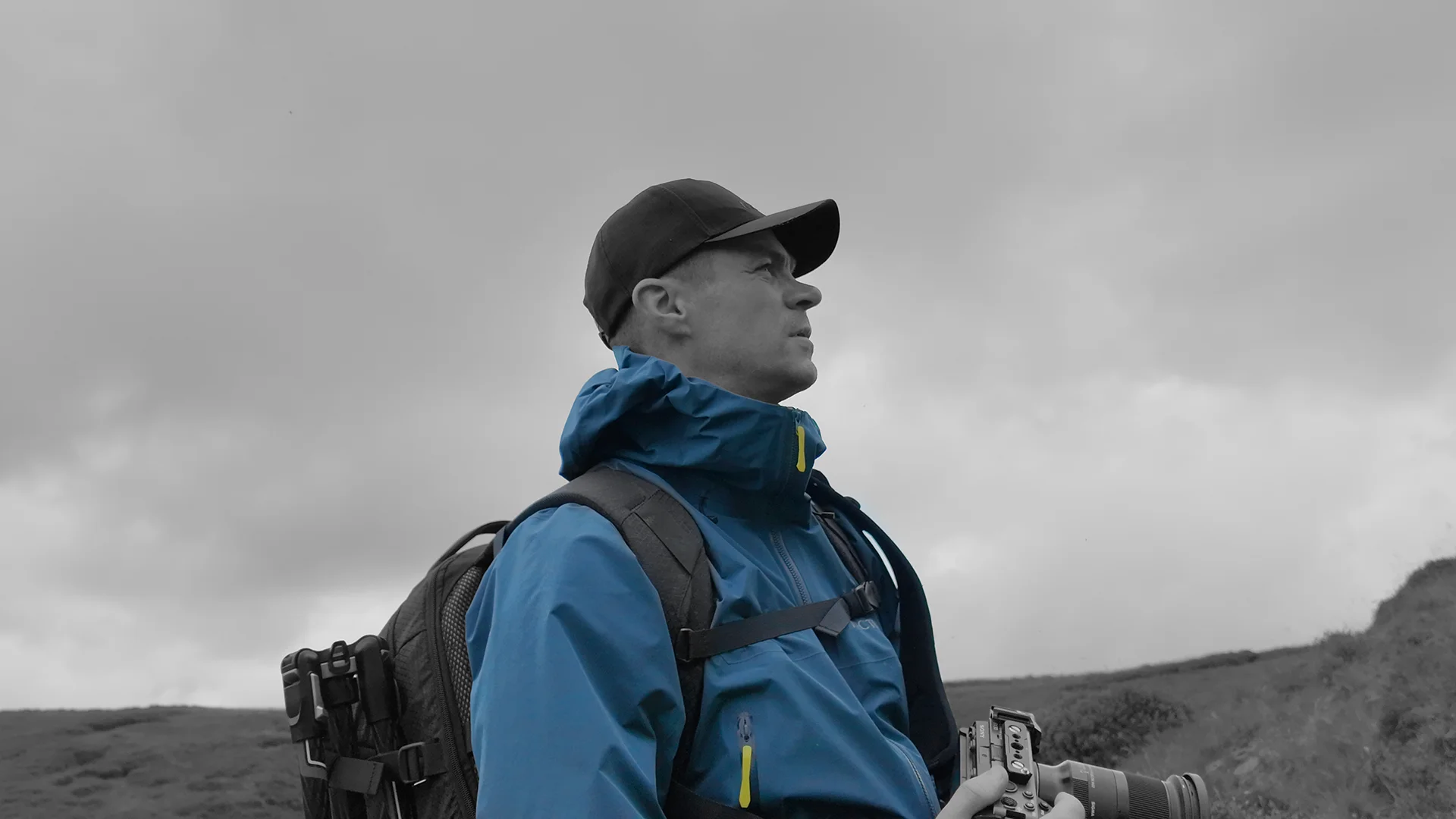
Behind the scenes of MUVE® —
Motion design, video production and visual storytelling
Step inside the operational ecosystem of MUVE®, an agile video production studio built for direct collaboration. This logistical overview outlines how the studio manages high-stakes corporate briefs, confidential product rollouts, and advanced animation pipelines under ironclad NDAs. Operating without multi-layered agency overheads allows for rapid responsiveness, direct creative accountability, and transparent project milestones. From initial look development to final compute rendering, discover a secure, scalable framework trusted by internal brand directors and external creative agencies across Greater Manchester and the UK.
My operational framework — Delivering elite 3D animation pipelines and commercial video production across Manchester and the UK
Am I partnering with a traditional agency or collaborating directly with you?
You collaborate directly with me. Operating as an independent, solo-led studio means there are zero account managers, sales layers, or corporate communication barriers standing between your initial brief and my final render window.
For internal brand teams, this provides direct, personal agility and immense production value. For creative agencies, I act as a seamless, low-friction extension of your pre-existing team—stepping quietly into your pipeline, honouring strict NDAs, and matching your specific workstation standards. You get high-end studio craft with direct, solo responsiveness.
Do you work completely independently or with a wider production team?
MUVE® operates as a specialist, solo studio by design. This deliberate setup guarantees absolute creative clarity and direct accountability. When you hire me, you get over four decades of multi-disciplinary design and film experience applied directly to your frames, without the overheads or communication delays that often dilute a premium vision.
However, my studio is built to scale seamlessly. For larger-scale productions—such as multi-location commercial shoots or massive 3D asset campaigns—I act as the central creative director and tap into a trusted, vetted network of independent regional specialists, including dedicated sound designers, drone pilots, and colourists. I manage the entire ecosystem, ensuring you maintain a single technical point of contact while benefiting from a scalable team footprint.
Where are you based, and do you handle international video briefs?
My dedicated production studio is based in Saddleworth, Greater Manchester, right on the edge of the Peak District. While my physical location filming remains deeply grounded across Manchester, the North West, and the surrounding regions, my digital post-production and motion pipeline travels effortlessly worldwide.
I regularly collaborate with agencies and brands nationally and internationally, leveraging a streamlined digital workspace that allows for real-time asset reviews, feedback loops, and coordination across any time zone. Whether we are collaborating remotely via a shared 3D animation pipeline or I am on location capturing source footage in the hills, the process is engineered to be entirely friction-free.
What are your standard timelines for delivering a finished 3D motion project or brand film?
Timelines are entirely dependent on project complexity, but a typical cinematic brand film—spanning a discovery session, script supervision, location filming, custom editing, sound design, and professional colour grading—usually scales between 4 and 6 weeks.
For highly intricate, specialised 3D animation systems requiring custom modelling, simulation baking, and multi-pass rendering, timelines usually span 3 to 5 weeks from an approved storyboard to final export. If you are an agency facing a critical pipeline bottleneck or an immovable broadcast launch date, let me know during our initial briefing session, and I can optimise my milestone schedule to accommodate your launch window.
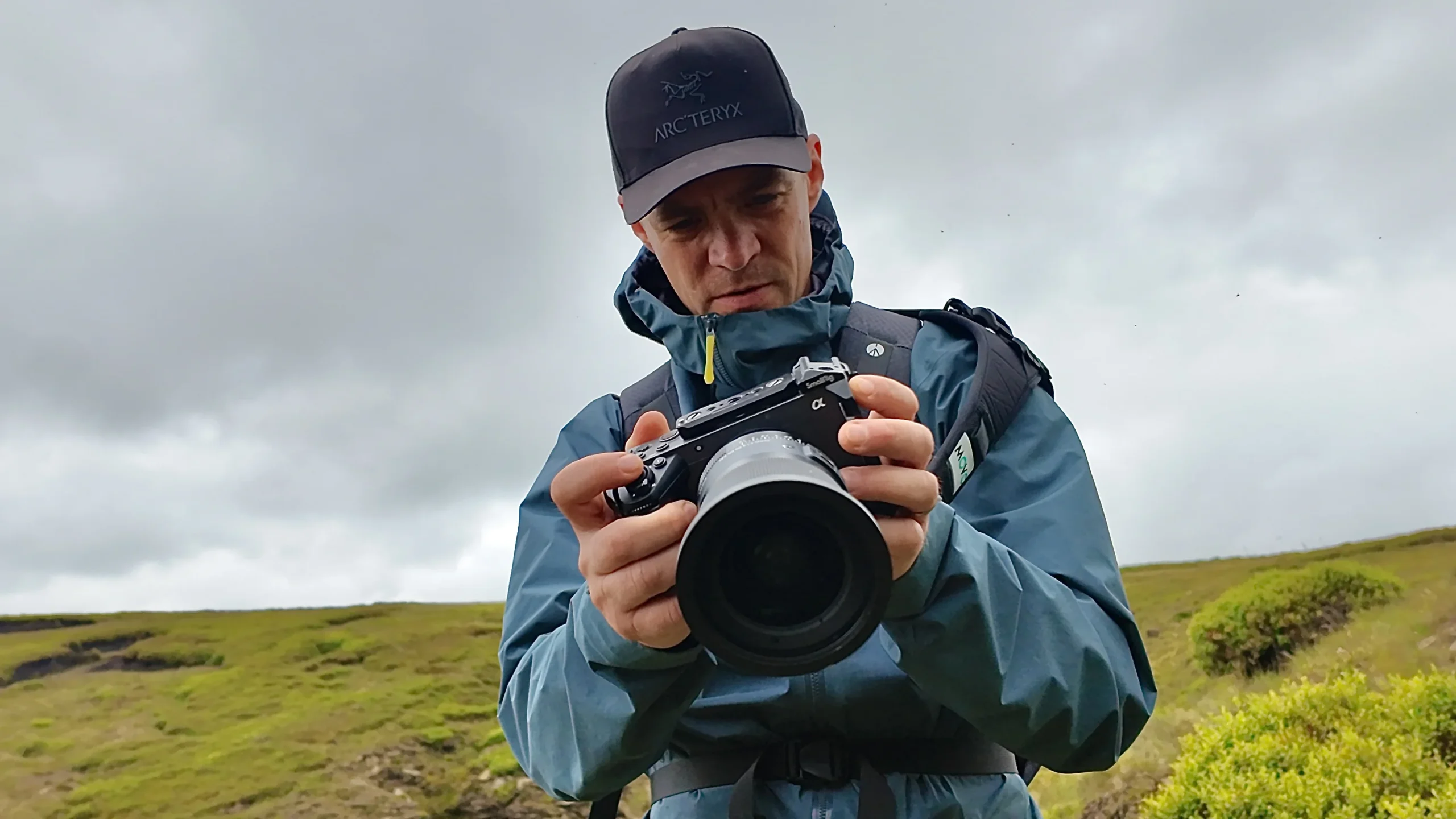
The production lifecycle —
How I translate complex briefs into high-impact visual assets
What’s your typical creative process — from initial brief to final delivery?
My workflow is built on clear, predictable milestones to eliminate project risk. We begin with Discovery and Strategy, mapping out your commercial goals, audience, and core narrative. Next comes Pre-Production, where I develop script structures, style frames, and visual storyboards to lock down the creative direction.
Once approved, we move into Production and Execution—whether that means high-compute 3D asset rendering at the workstation or principal location filming with cinema arrays. Finally, the project enters Post-Production, where editing, custom sound design, and professional colour grading shape the final kinetic master. You are involved at every milestone review phase, ensuring total alignment.
How much does a commercial video or 3D animation system cost to produce?
Because every brief carries a distinct set of technical requirements, I do not offer flat, generic price templates. Project economics are calculated transparently based on variables such as project scope, rendering complexity, location filming days, licensed asset requirements, and required delivery timelines.
Operating as an independent specialist studio allows me to keep my quoting highly competitive; you are paying entirely for high-end studio craft and technical expertise, with zero agency account-management bloat or corporate overheads built into your invoice. Every quote is bespoke, fully itemised, and structured to maximise your marketing investment.
Is a custom animated video typically more costly than a live-action film shoot?
Not necessarily. A heavy location shoot involves physical logistics, travel, specific talent coordination, and specialised equipment arrays, which can scale budgets quickly. Conversely, high-end 3D animation and complex motion design bypass physical footprint but require significant workstation hours, meticulous look development, and extensive rendering timelines.
I analyse your brief to determine which medium offers the most impactful vehicle for your narrative. Often, the most powerful and cost-effective commercial solutions lie in a hybrid approach—integrating crisp, physical videography with specialised digital motion tracking arrays.
Am I expected to know exactly what I want before reaching out to you?
Absolutely not. You do not need a fully formed script or a technical specification sheet to initiate momentum. Many of my most successful partnerships begin with a simple commercial challenge, a raw concept, or an abstract brief that needs specialised creative direction.
My role is consultative. I help you extract the core message, define the visual style, and map out the technical strategy required to bring your untold vision to life. Whether you have a strict, pre-approved brand guideline deck or just a blank canvas, I will guide you through the process step by step.

Creative execution and asset alignment —
What sets my approach to motion apart
What makes your approach to motion design different?
I treat motion as an active visual language, never a superficial decoration. While standard production houses start straight with software, my process begins with core strategy—analysing exactly how pacing and composition can best guide a viewer’s attention and shape their emotional response to your brand.
By bridging the gap between high-end 3D animation and visceral cinematography, I create a natural visual flow that feels entirely instinctive. I strip away the digital noise to ensure that every keyframe across your project pipeline serves a clear commercial purpose.
What types of brands and industries do you typically partner with?
I partner directly with performance-driven and brand-led sectors requiring pristine visual clarity and cinematic energy. I have a deep specialism within the outdoor, fitness, and lifestyle spaces—where the rugged, tactile reality of the elements needs to be captured on location and refined through a premium post-production lens.
Simultaneously, I focus heavily on the technology, product, and manufacturing sectors. Here, complex 3D motion design, photorealistic look development, and engineering-grade rendering are required to showcase intricate internal details that a traditional camera cannot reach.
How do you ensure the final render aligns perfectly with our creative vision?
Perfect alignment is built through complete structural transparency. I do not believe in a risky "big reveal" at the end of a deadline; instead, I involve my partners in a disciplined, staged creative loop.
For creative agencies, this means upfront look development, precision style frames, and early motion tests to lock down the technical direction before committing to heavy render bakes. For internal brand teams, I translate your commercial goals into a clear visual roadmap—from initial storyboarding to draft editorial timelines. This mitigates project risk, protects your investment, and ensures the final kinetic master is a precise reflection of your intent.
What’s one thing clients are surprised to learn about working with you?
Clients are often surprised by the sheer speed, agility, and technical horsepower of a solo-led studio pipeline. Because I don't pass projects down an assembly line of junior designers or lose days in internal account management meetings, decisions are made instantly.
By combining decades of design instinct with a highly optimised workstation infrastructure, I can take a project from a raw whiteboard concept to a finished, high-fidelity render with a level of direct responsiveness that traditional agencies struggle to match.
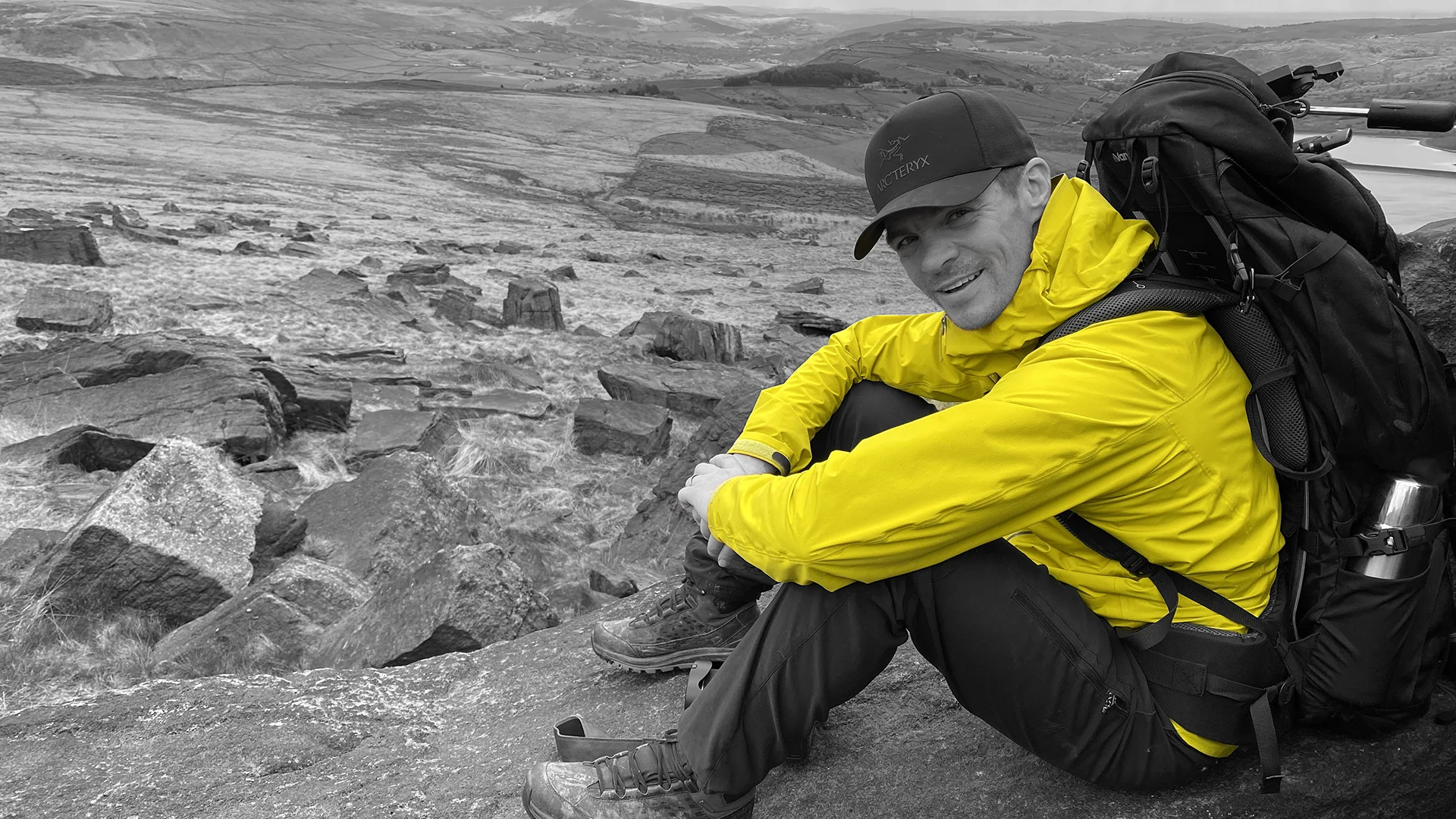
Infrastructure and compliance —
The software, safety credentials, and archival systems powering the pipeline
What tools, software, or workflows do you swear by?
I build all high-end 3D motion systems and technical animations utilising Cinema 4D, using Redshift for photorealistic look development and advanced rendering bakes. For compositing, kinetic typography, and complex motion tracking arrays, my primary workspace is Adobe After Effects and Premiere Pro.
When handling multi-cam commercial video or documentary brand films, the entire editing, sound design, and colour-grading pipeline runs through DaVinci Resolve. Everything is backed by heavy-compute workstation hardware engineered to hit aggressive rendering deadlines without bottlenecking your internal production timeline.
Are your aerial drone filming operations fully licensed and insured?
Absolutely. Safety and legal compliance are completely non-negotiable for commercial location shoots. I hold a valid CAA (Civil Aviation Authority) flyer ID and operator ID registration, ensuring all drone operations strictly adhere to UK flight safety laws.
The studio carries comprehensive commercial public liability insurance specifically tailored for professional video production, cinematic videography, and high-altitude aerial filming. This gives your internal corporate legal teams absolute peace of mind during location shoots across the Peak District or urban areas in Manchester and Oldham.
Is it possible to update or repurpose a video production in the future?
Yes. I engineer every project pipeline with long-term asset scaling in mind. Because I build deep visual systems rather than disposable clips, I maintain a strict local studio data backup protocol and archival storage setup.
If your brand messaging evolves, a product spec changes, or you need to re-edit a cinematic master into fresh social media aspect ratios 12 months down the line, I can cleanly restore the original project workspace. This disciplined data infrastructure ensures your creative assets remain flexible, modular, and future-proofed.
How do you manage licensing for production assets like voiceovers and music?
Every commercial output I deliver is 100% legally cleared, licensed, and indemnified for broadcast, corporate events, and global web campaigns. I handle the sourcing and commercial licensing for all soundtrack audio, voiceover scripts, and specialised project typography through premium industry platforms.
You will never face copyright flags, takedown notices, or legal friction when deploying your content. This ironclad approach to asset licensing protects your marketing investment and ensures absolute compliance across every channel your brand occupies.
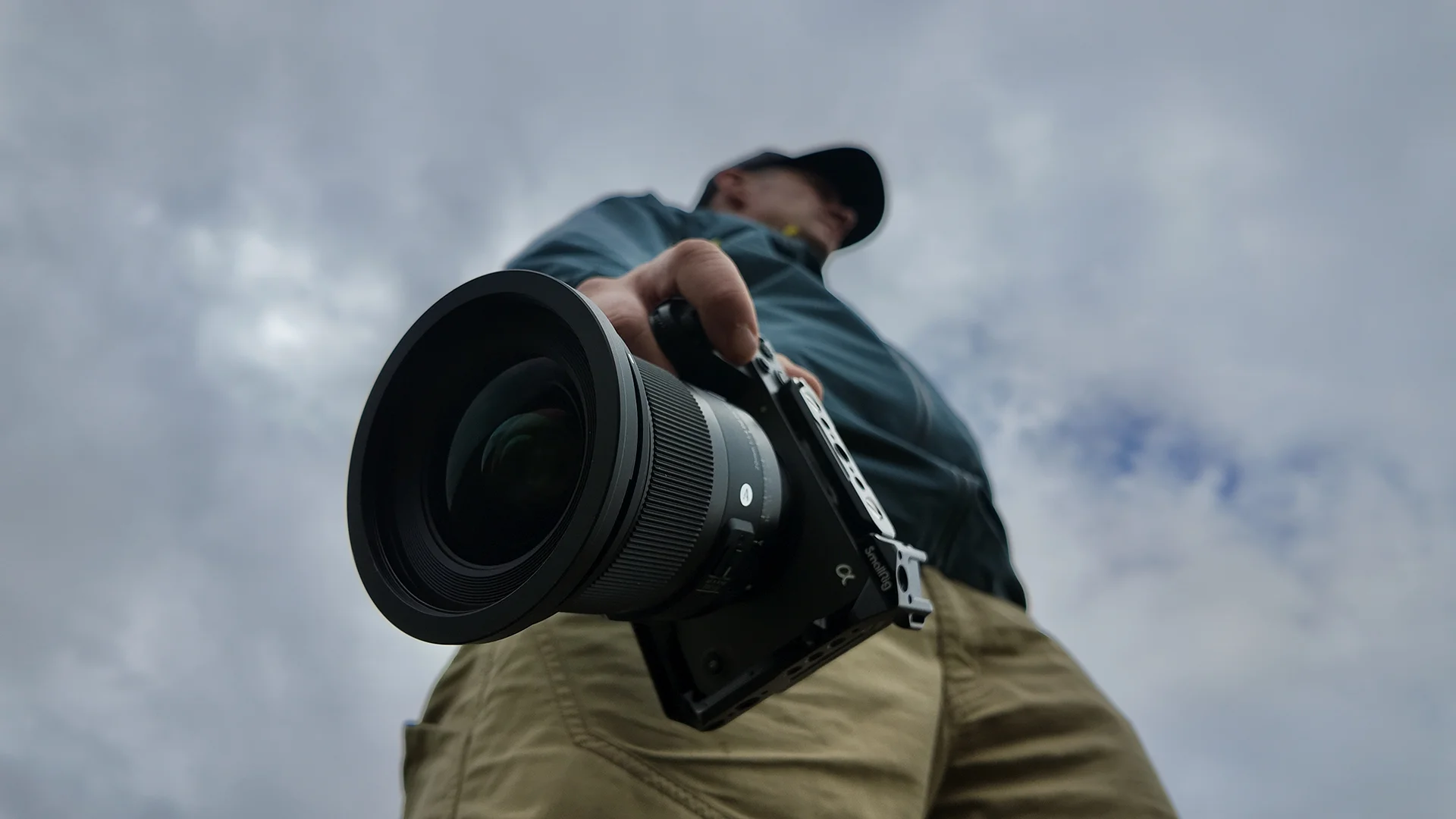
Trust, authority, and impact —
Delivering measured creative return on your production investment
Can clients trust you with tight deadlines, sensitive content, or niche sectors?
Absolutely. Over half of my workload involves acting as an integrated, low-friction partner for corporate brands and creative agencies that handle high-stakes campaigns. I routinely work under strict, ironclad NDAs, managing confidential product rollouts, internal corporate announcements, and sensitive data pipelines before they go live to the market.
Whether your project sits within a highly technical engineering niche or requires navigating tight broadcast media schedules, my studio setup is designed to be completely secure and entirely reliable. When an immovable deadline is locked in, my production milestones are calculated to absorb pipeline friction and guarantee on-time delivery.
Have any of your projects won awards or been featured in notable places?
Yes. Over a multi-decade career, my commercial, corporate, and independent productions have been recognised across prominent industry spaces. My portfolio includes award-winning videos backed by industry bodies, and my films have been featured across international festivals, national broadcast spots, and global digital campaigns.
More importantly, my work has been highlighted by major creative networks like Adobe and Creative Boom, verifying the technical and artistic standards of the studio. I apply that same award-winning discipline, eye for detail, and post-production polish to every commercial asset that enters my workstation.
How do you ensure your work delivers both high-end creativity and measurable ROI?
High-end imagery is useless if it doesn't serve a commercial purpose. I ensure your production investment yields results by tying every creative decision directly to a business objective during the initial strategy phase.
We analyse your distribution channels—whether it's a premium hero asset for an enterprise landing page or a targeted social media push—and engineer the pacing, length, and hook of the film to maximise audience retention. By balancing cinematic artistry with strict data-driven intent, the final assets are optimised to command attention, build deep brand equity, and actively drive your conversion metrics.
Why do you believe storytelling through motion is so undeniably powerful?
Static text and flat images request an audience to do the cognitive heavy lifting. Motion design and cinematography, however, allow you to control the exact rhythm, atmosphere, and emotion of how a message is received.
By combining kinetic typography, timed sound design, photorealistic 3D simulation, and intentional camera pacing, we can explain complex structural concepts or build deep human empathy in a matter of seconds. Motion captures the subconscious instantly; it converts abstract corporate data into a memorable visual experience that lingers in a viewer's mind long after they close the tab.
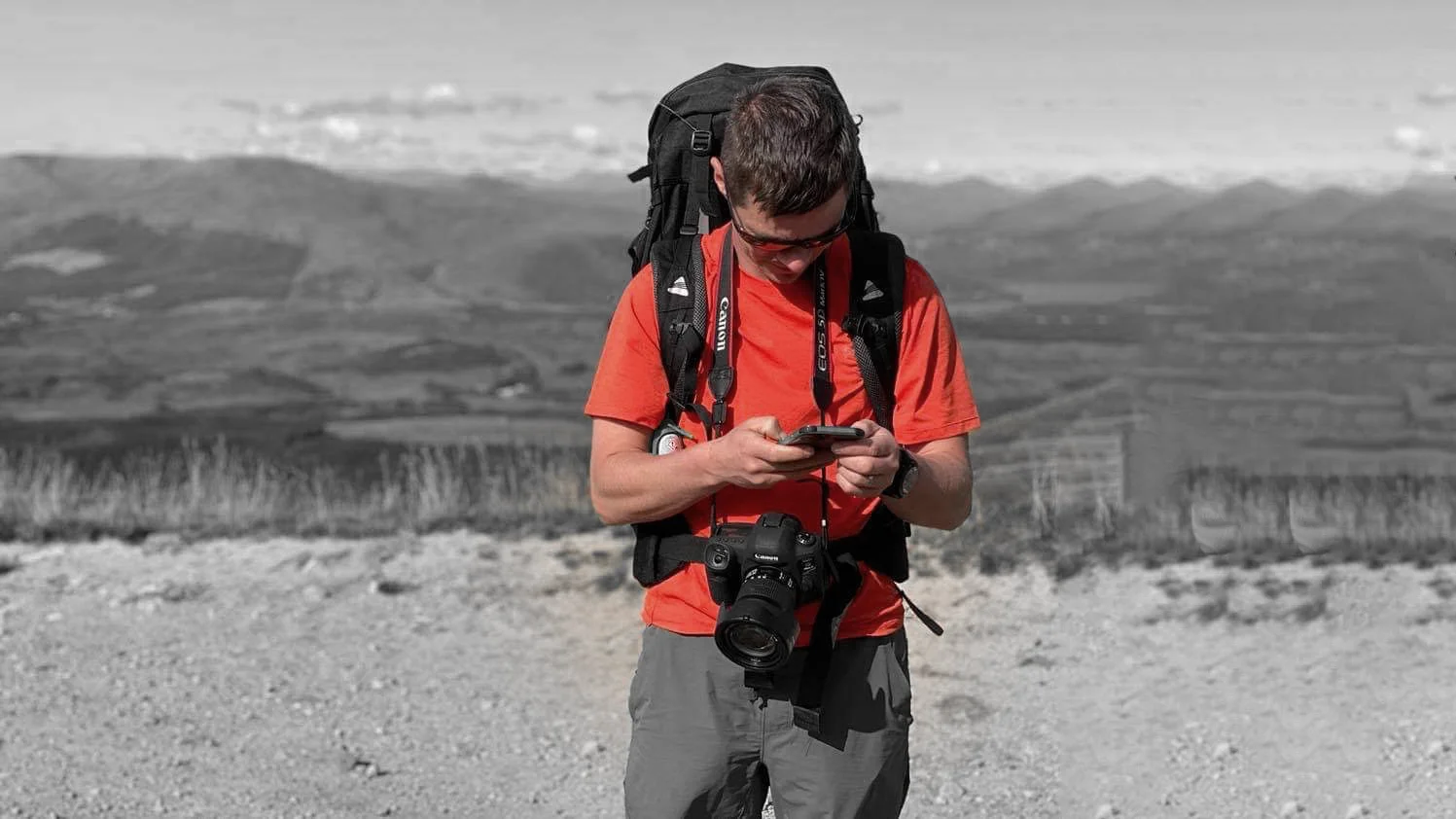
The mind behind the studio —
Sustaining creative momentum and focused execution over a lifetime
What drives you to keep creating after four decades in the industry?
The drive comes from a genuine obsession with the evolution of the craft. Technology continually shifts, moving from the physical layout tables of my early graphic design days to modern, high-compute 3D digital environments, but the core challenge remains identical: how do you capture a raw idea and make it move?
Every new brief presents a blank canvas and a puzzle to solve. I don't see filmmaking or motion design as a static career; I see it as an ongoing discipline. The thrill of engineering a complex animation pass or capturing a pristine outdoor sequence on location is just as sharp today as it was when I first started.
How do you stay inspired and maintain momentum when working solo?
Solitude isn't a barrier to inspiration; it's a tool for focus. Operating a solo studio allows me to eliminate the daily distractions, corporate meetings, and white noise that block deep creative work.
I stay inspired by stepping completely away from the workstation. Living and working right on the edge of the Peak District means I can reset my perspective by heading straight out into the elements. The rugged textures, changing atmospheric light, and natural scale of the hills feed directly back into my cinematic style, keeping my visual eye sharp and my energy focused.
How does MUVE® support sustainability-focused brands?
My deep connection to the outdoors naturally aligns the studio with ethical, eco-conscious, and sustainability-driven sectors. I actively seek out partnerships with brands that are working to protect natural environments or build sustainable products.
When working with these businesses, my goal is to give their environmental mission the high-end, premium aesthetic it deserves. By applying advanced 3D rendering and authentic cinematography to sustainable messaging, we strip away the generic, cliché visuals often found in the sector and replace them with powerful, modern narratives that command corporate authority.
What does a 'Chief Movement Officer' actually do all day?
While the title carries a touch of playfulness, it reflects a serious studio truth: my entire day is dedicated to the mechanics of motion. On any given morning, I might be setting up particle simulations and camera tracking paths within Cinema 4D, or packing gear arrays for a commercial location shoot in the North West.
By afternoon, I am usually deep within the edit suite, refining the pacing of a timeline, blending custom audio tracks, or grading colour profiles in DaVinci Resolve. Being the "Chief Movement Officer" means I personally steer every moving element of your brand asset from the first concept sketch to the final high-fidelity render export.
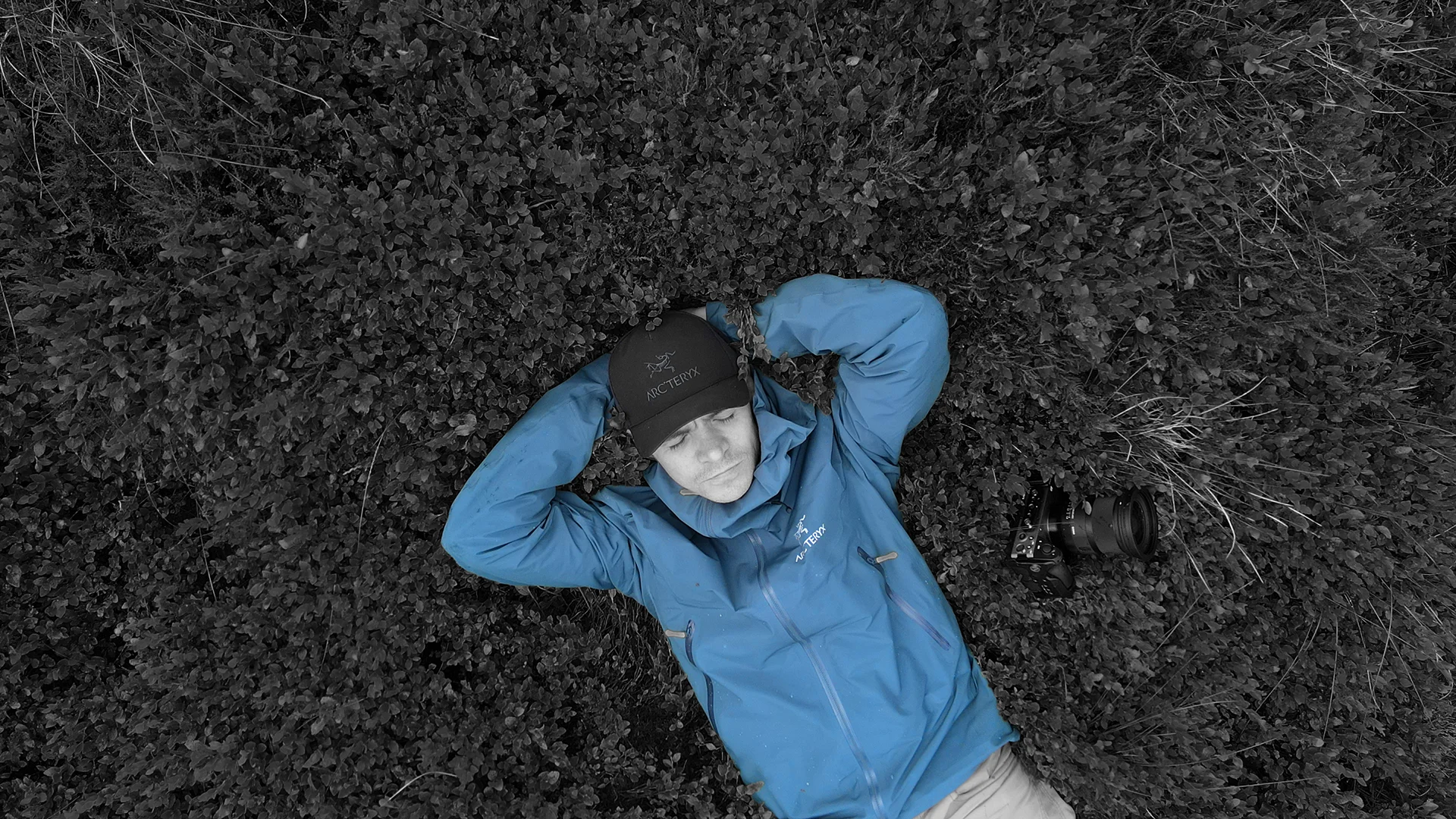
Thirty years as a motion design specialist leads to a few stories — A glimpse into the personality behind the workstation
How did you get started in motion design and video production?
Believe it or not, it started with Airfix kits—tiny planes, glued together with obsessive care and decals aligned with military precision. That childhood love of craft naturally evolved into photography, illustration, and graphic design, but the transition to video initially felt daunting. I’d spend hours perfecting a single static frame; the idea of handling thousands felt like a leap into the unknown.
At 25, I left full-time work to dive into motion design properly at university, and that was where I first discovered After Effects. It clicked instantly—it felt like 'Photoshop on Wheels.' I realised I could bring my static designs to life, and that first spark turned into something real.
A scrappy little music video I made early on opened doors, got noticed, and helped launch the career I’ve built since. From that point on, I wasn't just designing graphics; I was shaping moments in motion. I’ve been pushing pixels in strange, satisfying ways ever since, always keeping that Airfix-level obsession with the fine details.
What were your first creative influences — films or videos that sparked your passion?
Films like Minority Report blew my mind; those motion-tracked UI graphics didn’t just look cool, they felt possible. Similarly, The Matrix offered a future-facing, coded aesthetic that made the screen feel alive. I’ve always been drawn to designs that feel ahead of their time—conceptual overlays like Mark Coleran’s fictional UIs showed me just how cinematic and functional interface design could be.
In the early web days, discovering GMUNK’s website felt like finding a portal to another dimension, inspiring me to push motion into interactive spaces while I was learning Flash. Later came the bold, unapologetically stylised worlds of Sin City and 300.
Today, I still look to pioneers like Ash Thorp; the depth, detail, and cinematic scope of his philosophy made me realise how far this craft can go when storytelling and technical style are in complete sync. All of it sparked a singular desire: to design motion that moves the viewer emotionally, visually, and sometimes literally.
Do those early influences still shape how you work today?
Absolutely—perhaps even too much. The biggest downside of doing this for over 30 years is the physical toll of sitting in the chair; sometimes all day, all night, and into the next morning. It’s why if I’ve got any downtime these days, I’d much rather be out—walking, running, or pedalling through the hills of Saddleworth.
I might take a drone to soak up the views from a different angle, but mostly I'm just reconnecting with the bigger picture. In a professional sense, I find myself aspiring more to the mindset of Jimmy Chin than James Cameron lately. I often imagine what it would be like to edit while hiking—Minority Report-style—swiping floating UI panels in the air mid-stride or grading shots with a flick of a wrist.
That future-forward aesthetic I loved back then is still the dragon I chase, but these days, I’m just as interested in how I work as what I make. I’m constantly searching for a more FreeRangeEditing™ workflow that lets me move while I create.
What’s changed most in the industry since you began over 30 years ago?
The internet, for a start. When I began, you couldn't just Google how to fix a wonky mask or download a plugin for a complex track. I spent years dreaming of being an illustrator until a job in signwriting paid for my first Mac. That led to Photoshop, then cameras, and then countless hours of trial, error, and stubborn experimentation.
There was no YouTube and certainly no AI; it was just you and the machine. Today, tech changes weekly, and while I use AI for idea prompts and workflow boosts, image generation still leaves me a bit cold. I’ve spent decades honing this craft, and clicking a button doesn't scratch the same creative itch as manually building a sequence.
Social media has also changed the landscape entirely. I’ve never loved the self-promo side of things, preferring to let the work speak for itself. For almost ten years as a limited company, that approach has worked—consistency, trust, and giving a damn about the details have kept me growing even as the tools have shifted.
What drew you to starting a solo studio rather than a traditional agency?
Honestly, it started with a few keywords and a need for change. My old alias, Splurj, was making music videos, but I found myself constantly spelling it out to confused clients. I was stuck in a web agency and knew I had to make a move fast; I’d already begun drifting into freelance work, and going solo just felt right. I needed a name that was simple and direct, so I picked 'Motion Videos'—not exactly revolutionary branding back then, but it got the job done.
These days, MUVE® represents a more refined philosophy where 99% of what you see is my own, from concept to delivery. I enjoy the control and the clarity that comes with a solo-led studio, but I’m not a hermit. When a project calls for a specific skill outside my wheelhouse, I collaborate with sound designers, illustrators, and specialists I trust.
I still build the odd website—in fact, you’re looking at the biggest one I’ve ever done—but truthfully, web design has often felt like a burden. Closing this site’s build marks a turning point where I can focus purely on what I love: making motion content that moves people.
Bypass the traditional production house bloat and start building visual momentum
Whether you require a highly disciplined technical hand to scale up an advanced 3D animation pipeline for your agency, or an independent creative lead to direct, shoot, and deliver an end-to-end commercial campaign for your brand, I am built to integrate seamlessly.
Start a Project